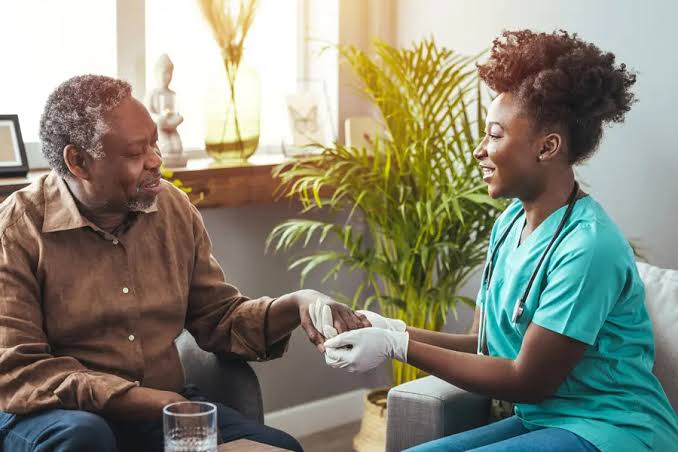
Palliative Care at Home in Nairobi South
Palliative care at home in Nairobi South provides supportive physical care for patients living with serious or life-limiting illnesses. As a patient’s condition progresses, reduced strength, fatigue, stiffness, pain, balance difficulties, and limited mobility can affect everyday life. Bemercare Home Physiotherapy Services offers home-based physiotherapy support that can complement the patient’s wider medical and palliative-care programme.
The goal of palliative care in Nairobi South is to promote comfort, dignity, and quality of life. Physiotherapy therefore focuses on the patient’s individual needs instead of demanding physical rehabilitation goals. Some patients may benefit from gentle movement, while others may need assistance with positioning, transfers, or mobility.
Home-based care allows physiotherapy to address real activities within the patient’s living environment. A patient may need help getting out of bed, moving to a chair, standing, walking short distances, or using the bathroom. These activities can be physically demanding when illness has reduced strength and endurance.
For patients who are mostly bed-bound, palliative home care in Nairobi South may emphasize comfortable positioning and gentle assisted movement. Remaining in one position for extended periods can cause stiffness and discomfort. Appropriate repositioning may improve comfort and make resting easier. The specific approach should be based on the patient’s condition.
Patients who remain mobile may want to maintain their independence. Walking short distances or participating in family activities can be meaningful. However, weakness and fatigue may make independent movement unsafe. Physiotherapy can help families understand when assistance is needed and how to provide it safely.
Energy conservation is especially important for patients with advanced illness. A patient may have enough energy for one activity but become exhausted after several tasks. Families can structure the day around periods of activity and rest. Physiotherapy can support efficient movement without creating unnecessary physical demands.
Palliative care services in Nairobi South also involve supporting family caregivers. Relatives may assist with lifting, transfers, repositioning, and walking. Repeated physical assistance can cause strain if done incorrectly. Bemercare Home Physiotherapy Services can educate caregivers on safer movement techniques based on the patient’s abilities.
The emotional effects of reduced mobility should not be ignored. Patients may feel frustrated when they can no longer do things independently. Families can maintain dignity by involving them in decisions and encouraging safe participation. A patient should receive assistance where needed without being unnecessarily prevented from doing what they can still manage.
As the patient’s condition changes, the care plan should evolve. Early palliative physiotherapy may emphasize maintaining mobility, while later care may focus on comfort, positioning, and caregiver support. This ensures that interventions remain appropriate to the patient’s current needs.
Bemercare Home Physiotherapy Services complements other forms of healthcare. Physiotherapy does not replace medical treatment, medication, nursing care, or emergency services. Families should continue to follow the patient’s medical plan and seek professional medical attention when symptoms worsen or urgent concerns arise.
For families searching for palliative care at home in Nairobi South, Bemercare Home Physiotherapy Services provides compassionate home-based physiotherapy focused on physical comfort and practical mobility needs. The service can help families understand safer movement, appropriate positioning, and ways to support their loved one without unnecessary strain.
The overall goal is to help patients remain as comfortable, safe, and independent as their condition allows. Through individualized physiotherapy, caregiver education, gentle movement, and appropriate positioning, Bemercare Home Physiotherapy Services can contribute to a dignified home-care experience for patients and families facing serious illness.